


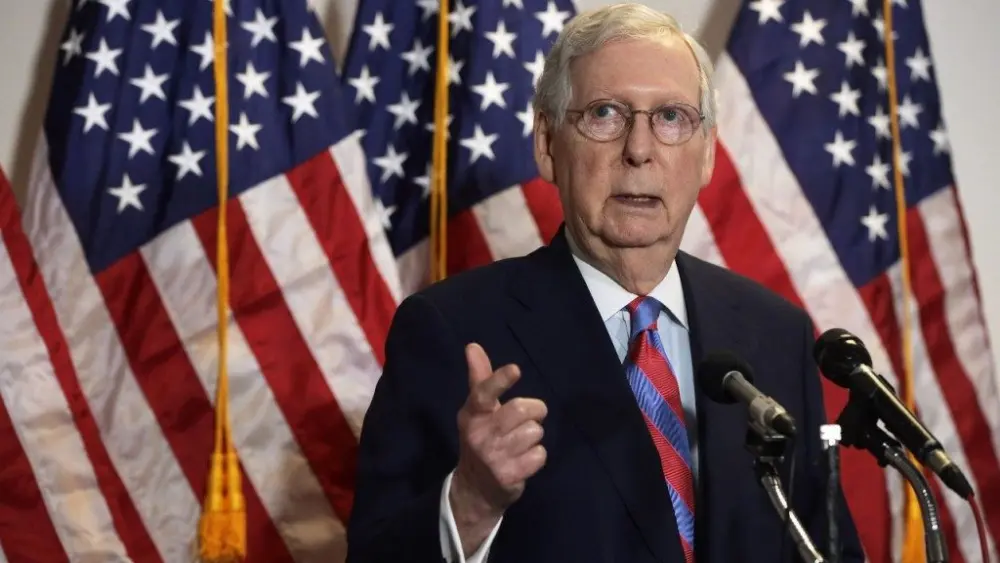
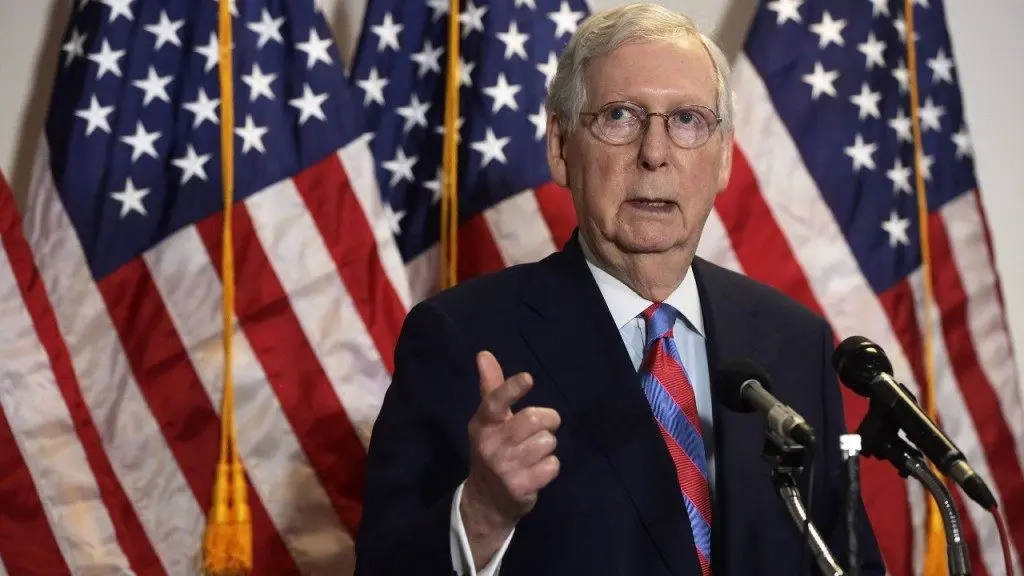
WASHINGTON, D.C. – U.S. Senator Mitch McConnell (R-KY), Chairman of the Senate Appropriations Defense Subcommittee, delivered the following remarks today on the Senate floor prior to the vote on the conferenced Fiscal Year 2026 Defense Appropriations bill:
“Hard power is the cornerstone of U.S. national security. It’s the credibility behind our commitments to defend core interests. And investing accordingly is among Congress’ core responsibilities.
“I’m proud that the Senate will uphold that responsibility today by passing full-year defense appropriations for the remainder of fiscal year 2026. Our action today is urgent and important, overdue and yet insufficient. Allow me to briefly remind our colleagues what this vote represents:
“About a year ago, I offered the incoming Administration a few recommendations on the nature of American power and what it would take to sustain it in the face of grave and growing threats. I urged them to push for sustained, year-on-year increases to the defense topline, to prioritize investments in the industrial base that equips both America and our allies, and expand the use of multi-year procurement contracts to solve glaring shortages of critical munitions.
“Suffice it to say, the President’s advisors didn’t initially seem to heed this advice. In fact, senior budget and defense officials welcomed the first full-year continuing resolution for the military in history – a move that effectively left the Pentagon operating on President Biden’s budget and handicapped President Trump’s effort to restore peace through strength. Then, they went about trying to internally cut 10% from the military services, setting arbitrary budget reduction quotas that shortchanged growing military requirements.
“Even the Administration’s first official budget request left much to be desired. Indeed, defense appropriators received an FY26 defense budget request from OMB that would have amounted to a net cut after inflation, a continuation of the Biden approach to discretionary appropriations.
“As the President’s foremost national defense priorities came into focus – from homeland missile defense to a shipbuilding renaissance – the inadequacy of his Administration’s budget request became even more undeniably clear. And what about the budget reconciliation process that could have been optimized to make one-time investments in critical sectors of the defense enterprise?
“Administration budget officials treated it like a shell game, instead. Much of the Defense Subcommittee’s most arduous work in recent months has been helping the armed services address real, urgent operational shortfalls that were created when much of Washington decided to pretend that one-time infusions of cash could take the place of consistent annual appropriations.
“To be clear, this was not the intention of my friend, Chairman Wicker, who’s been a far-sighted advocate for sustained increases in annual defense spending. But OMB’s effort to shift major, long-term funding priorities from the base budget to reconciliation did not suddenly obviate the need for steady full-year appropriations.
“In fact, it created additional challenges. The full-year bill we’re passing today reflects great efforts on the part of Senate appropriators to make up for growing funding shortfalls that are stifling the Department’s ability to deliver the President’s military priorities. These aren’t small shortfalls, either. The Administration has acknowledged FY26 funding gaps of at least $40 billion.
“The President’s golden dome and golden fleet will not be built on a bronze budget. That’s precisely why Senate Appropriators marked a bill that would have exceeded the President’s budget request by $22 billion. The conferenced bill we’re voting on today comes in at $14 billion below that topline.
“The final bill is only $8.4 billion above the President’s request. Clearly, that’s not enough to cover an official request for $28 billion in munitions that came in while we were conferencing our bill.
“Clearly, it’s not enough to cover the $40 billion in shortfalls identified by the Department. But within our limited topline, this bill makes modest but important downpayments on key priorities for the military: critical munitions, shipbuilding, sixth generation fighter aircraft, missile defense, and more.
“In any event, it was always clear that glaring challenges – particularly to industrial capacity and defense innovation – would not be solved in a single budget cycle. This is the business of years upon years, and it will require at the most basic level a renewed recognition of the centrality of hard power.
“Twelve months into the President’s term, I’m hopeful that appropriators will have more allies in our work to deliver consistent and increasing full-year resources.
“The President, for his part, indicated an ambitious goal for the coming year: an FY27 defense budget of $1.5 trillion.
“Needless to say, building toward this target next year would be a bit easier had we been able to make more headway this year. Going forward, every stakeholder is going to have to acknowledge that we can’t nip-and-tuck our way to building the military we need to meet the growing threats.
“When Administration officials tell the Department at the eleventh hour to finally make more room for investments in critical munitions, they ought to be ready to join us in advocating for a higher topline… not expect warfighters to take it out of hide.
“Regardless of whether we are willing to put our money where our mouth is on the national defense, we face adversaries who are. And they’ll continue to pose growing threats to our security and our interests.
“So again, our work is far from over. But as we take this significant step in the right direction, I would be remiss in not acknowledging the dedicated, collaborative efforts of colleagues who recognize the importance of the task at hand, particularly Chair Susan Collins – clearly the most outstanding Appropriations Chair in the time that I’ve been here – and my counterpart, Ranking Member Coons, both have been fabulous supporters.
“I’m also deeply grateful to the talented professional staff who have given so many nights and weekends to pull FY26 defense appropriations across the finish line. On the Majority side, they include Rachel DaPieve, Laura Forrest, Megan Handal, Cole Hodge, Alexa Lorick, Todd Phillips, Kathryn Plunkett, Kim Segura, Tom Shaffer, and Elise Stebick, and of course their fearless leader, Robert Karem. We’ve been friends and collaborators for a long time and there’s nobody better on this subject. And I know my team has appreciated close collaboration with their counterparts on the Minority staff, including Gabriella Armonda, Dylan Byrd, Abigail Grace, Brigid Kolish, and Ryan Pettit, led by Rob Leonard.
“My sincere thanks are with each of them for their devotion to such a worthy task. But as Henry Kissinger observed, ‘each success only buys an admission ticket to a more difficult problem.’ So, after taking the weekend to catch their breath, I’ll look forward to welcoming the team back to the appropriations salt mines next week.
“The President’s $1.5 trillion defense budget for FY27 is a worthy goal, and after Congress finishes its work on FY26, we’ll stand ready to do our part and help him achieve it.”